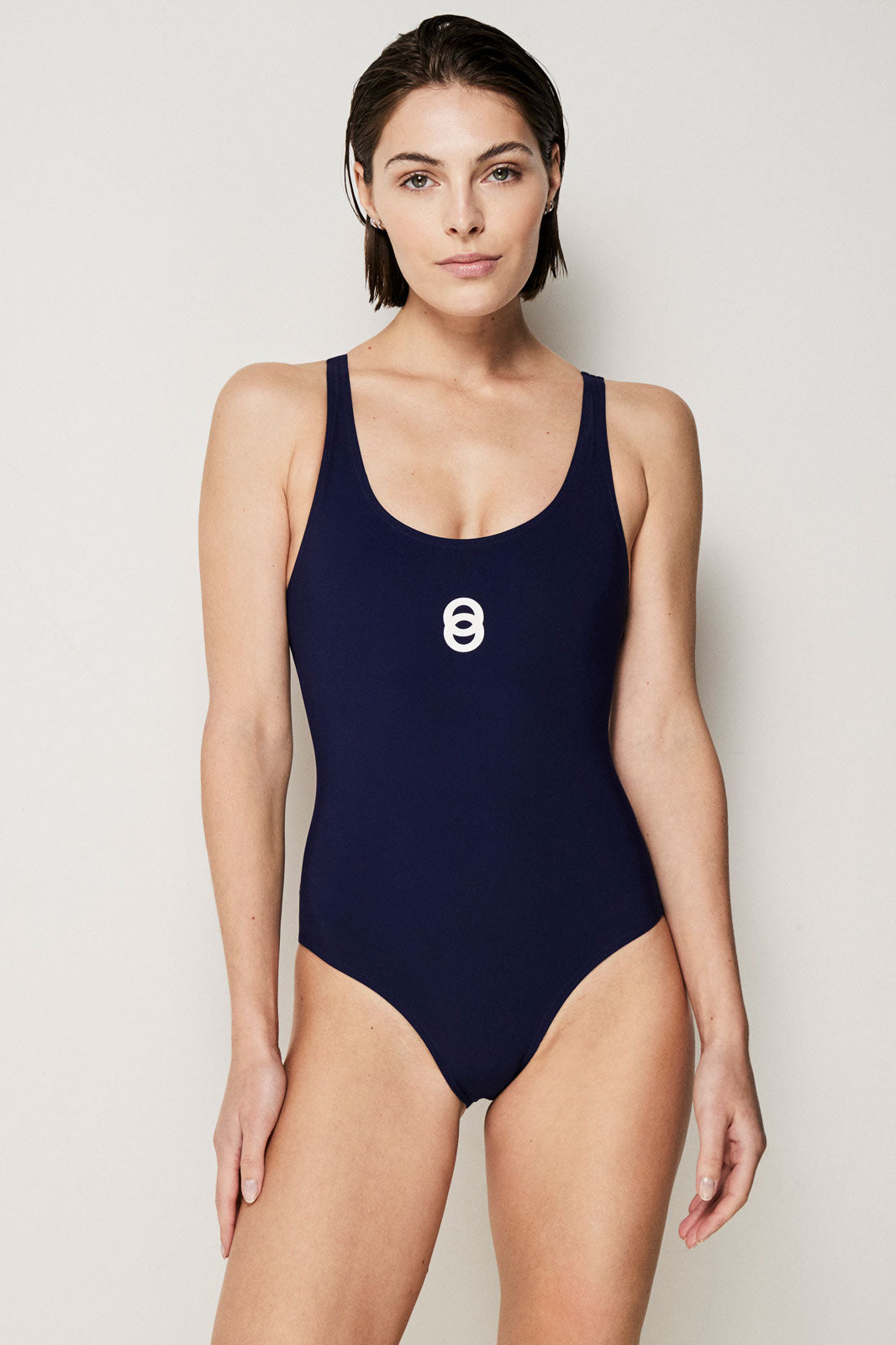
La natation comme thérapie

Swimming as therapy

WHAT IF THE WATER WAS MORE THAN ENOUGH TO CARRY US?

Diving into the water is not just about exercising. It’s slowing down, breathing differently, feeling differently. Swimming, often perceived as a complete physical discipline, also has a more discreet, almost intimate dimension: that of a true therapy.

Accessible to all ages, gentle on the body and powerful on the mind, it acts in depth, where few practices go. 

A STRENGTHENED BODY, WITHOUT GLASS

In water, the body works differently. Worn, lightened, almost freeing from gravity, it can be reinforced without constraint.

Swimming engages all muscle groups, improves blood circulation, strengthens the heart and lung capacity, lowers blood pressure.

It is particularly recommended for people suffering from back pain or joint pain, as it allows movement without impact.

Here, the body does not force itself. It adapts, stretches, and rebalances. 

WATER AS A SOOTHING MEDICINE

However, the most powerful effects are often invisible.

Swimming acts directly on the brain, by stimulating the production of dopamine (motivation, pleasure) and serotonin (mood and well-being). It improves mood and memory abilities and reduces stress, anxiety, and depressive states.

The rhythm of breathing, correlated with movement, creates a form of mediation in movement. The mind concentrates, the external noise disappears.

In the water, something slows down. The water envelops.

It creates a form of partial sensory isolation, a bubble where tensions are reduced. The body becomes lighter, almost weightless.

It is a rare space, the only place where one can disappear without fleeing. The relationship to the body changes. He becomes softer, less constrained by the gaze or the performance. 

BREATHE, LET GO, GET BACK

At the end of the day, a swimming session acts as a transition. It helps to release accumulated tensions and promotes a deeper and more restful sleep.

Repetitive movement, contact with water, breathing: everything contributes to a global relaxation.

The body secretes endorphins, hormones of well-being, which naturally improve mood and provide a lasting feeling of calm.

More than a sport, it is a shelter.

Swimming does not teach strength, but fairness.

It teaches us to listen, to adjust, to slow down. To regain a form of balance between effort and letting go.

Slipping into the water is accepting not to have complete control. It means trusting the movement. And sometimes, that’s exactly what we need.